
In my searching, I have found very little on the positive or negative impacts of AI on the developing people groups of our world.
For that reason, I feel compelled to shed some light on what seems a forgotten and untold part of the coming artificial intelligence tsunami.
The West identifies the top five potential negative impacts of AI as job displacement, social manipulation, algorithmic bias, privacy violations, and the environmental impact of high energy demand. I would argue that, generally, this list does not apply to those emerging from or living in poverty.
Some have tried to address this. For example, the World Bank and the Center for Global Development each try to be optimistic, but they cannot ignore the impact on a generally fragile existence.
One study concluded that by 2030, 60% of the garment workers in Bangladesh will be replaced by machines.
That equates to 3.5 million jobs lost in one industry in one country.
But of note for this discussion, Africa has a very small garment industry and very little manufacturing.
🌍 Why should they be concerned?
I don't need to fly to Uganda or Malawi to ask a family in a rural village if AI's impact concerns them. They are simply living today as they did yesterday, last year, and the decades before that. Simple lives, focused on food, safety, and shelter.
So why should they be concerned about AI? Here are three reasons:
First, job creation. For the last 20 years, Africa's best hope has been job creation. AI will require some refocusing in this moderately successful quest. Jobs like product assembly, call centers, and basic manufacturing will no longer be the job market of the future. Strengths like literacy, language proficiency, and a positive disposition can't compete against AI.
Second, there is no safety net. There will be hardship and adjustment in Africa (and the rest of the developing world), but those living in poverty have no safety net. Western governments devote resources to help their populations through tough times. Unfortunately, African countries do little to soften the impact in difficult times.
Third, aid is not the answer. The obvious solution is for the West to step up with aid. Send more money, food, healthcare, and supplies! But these are not permanent fixes. This type of "help" is, at best, only temporary. In fact, it can hinder the systemic changes and adjustments needed to meet the challenges of life in a changing world.
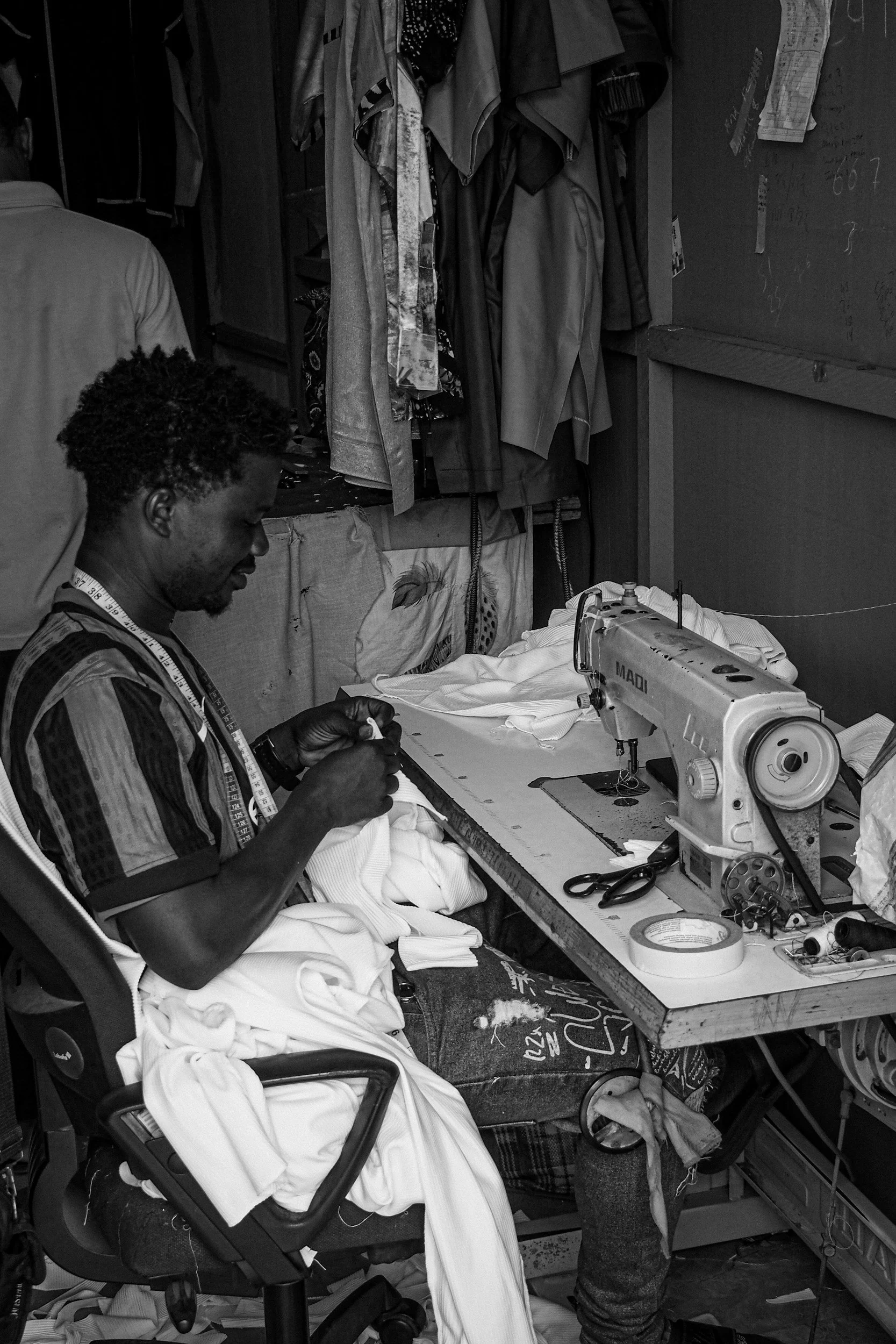
💬 Word from the ground
For some fun, I reached out to a half dozen friends in or from Africa and asked for their views. Here are a few quick responses:
My friend living in Kenya recently began monthly support for a young village girl. Her first thank-you letter was written by ChatGPT!
From Rwanda, a friend's agricultural production has increased almost tenfold by following AI-generated guidance.
An NGO with multiple locations is having to remind its managers that AI-generated reports are not acceptable.
Another pointed out: when people will work for $2 a day, who is interested in a $100,000 robot replacing them?
🔭 So what could the future look like, and what can be done?
The population of Sub-Saharan Africa* is approximately 1.3 billion people. Roughly 300 million are developing professionals who live and work in urban areas. Smallholder farmers (typically 5 acres) are a large part of the next 700 million, living in rural areas. Finally, the last 300 million are slum dwellers, in or adjacent to urban areas, who are resilient and motivated.
Before you shoot holes in these broad generalizations, consider my thoughts about each of those groups in the future AI world:
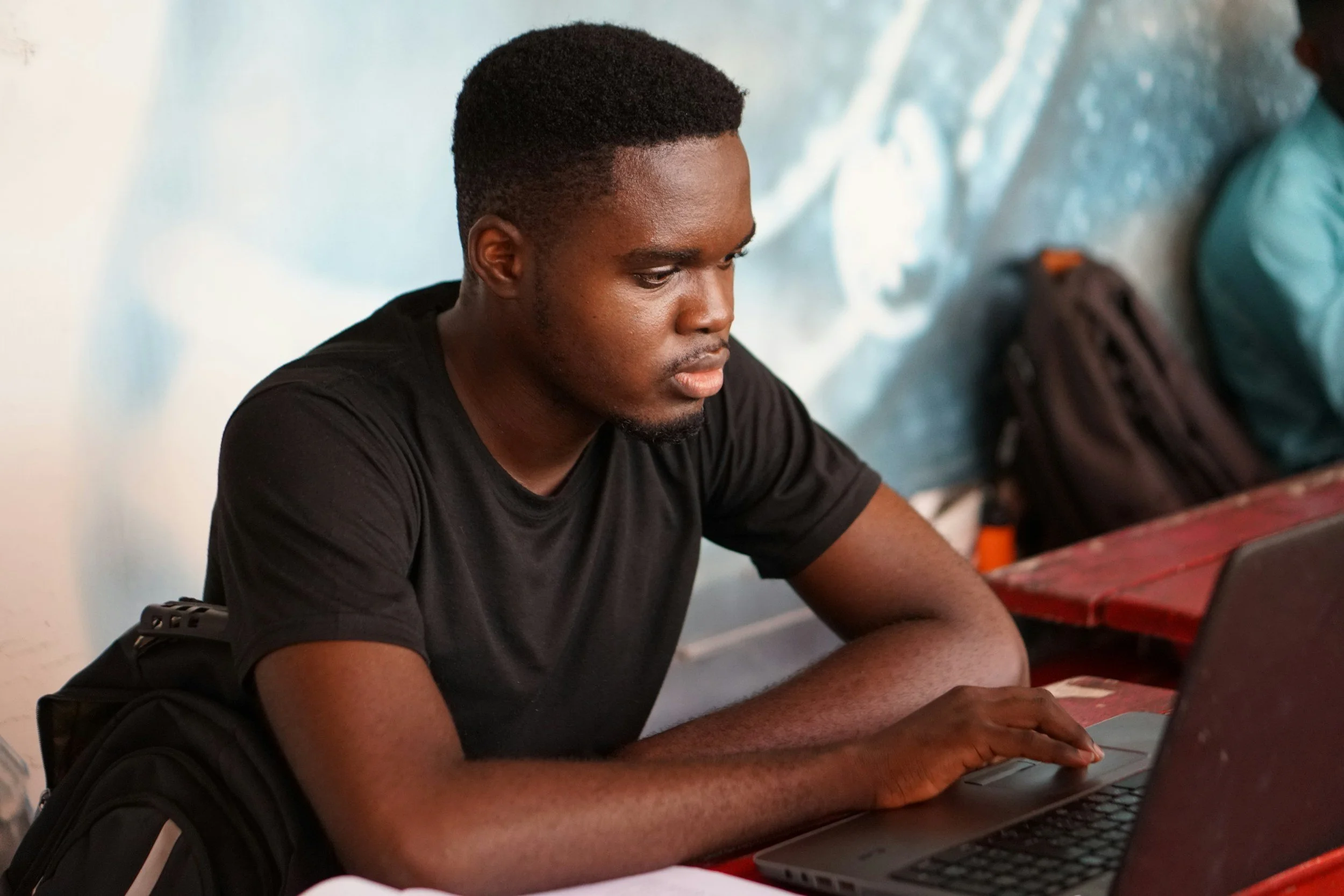
1. The young professionals. Many believe the future of Africa is its educated, energetic, young professionals. This group embraces the AI revolution and stands to capitalize on the coming changes. How? Their education, work focus, and task agility are very much world competitive. And all this without the high cost of living in the West or the Far East. They see AI as an opportunity, a tool that helps them have impact globally. Multinational companies need Africa!
2. The smallholder farmers. This group is at a crossroads. With its vast amount of land devoted to agriculture, it can continue farming as it has for years without outside assistance. Or it can shift its focus to the resources AI can bring: guidance on what, when, and how to plant, how to battle pests, and when to harvest and sell crops. This group could benefit from AI-tooled farm advisors to lead them into increased production, help them meet the challenges of insect and drought damage, and choose profitable crops.
3. The slum dwellers. What about the rapidly growing slums? Three hundred million people is a lot! I have visited only three slums in East Africa, but my view is that this group is surprisingly resilient and motivated. They moved from rural villages to the slums in search of a better future. They are task flexible, available, eager to achieve, and have a strong desire for a better life. Right now, a friend is very successfully building a business by training and employing this labor pool. The slum residents could very possibly be the group that benefits most from the shift to AI.
Maybe Africa's secret sauce?
To wrap this up:
Africa possibly has more to gain than to lose in this unfolding event. Arguably, NGOs and missions groups are well positioned to shepherd people through some of the changes that will come. And the young professionals and slum dwellers could hold the key to a better Africa through AI.
*Sub-Saharan Africa is the portion of the continent south of the Sahara Desert. Of the 55 countries in Africa, 49 are Sub-Saharan. The distinction between the two regions, divided by a harsh desert, was noted in many early explorations and historical accounts, with the term "Sub-Saharan" first used in the late 1930s. When considering Africa, separating the two regions allows for a better understanding of the people, geography, and history.
Special thanks to my friend and proofreader, Tuscanie Ngwena, living in the US but from Zimbabwe!
Want to stay connected?
Share this story with a friend
Reach out with your thoughts—I’d love to hear them
💙
Interested in Getting Involved?
Want to donate? Use the donate button and let us know where you’d like your gift to go. We don’t need administrative support—100% of donations go to groups we know and have seen.
Want to join a future trip? Let’s talk.
Know a mission group or NGO we should meet?
We focus on small, founder-led groups in Africa. Once there are 3 or more groups to visit in a given country, we prioritize getting there.