Just One Thing
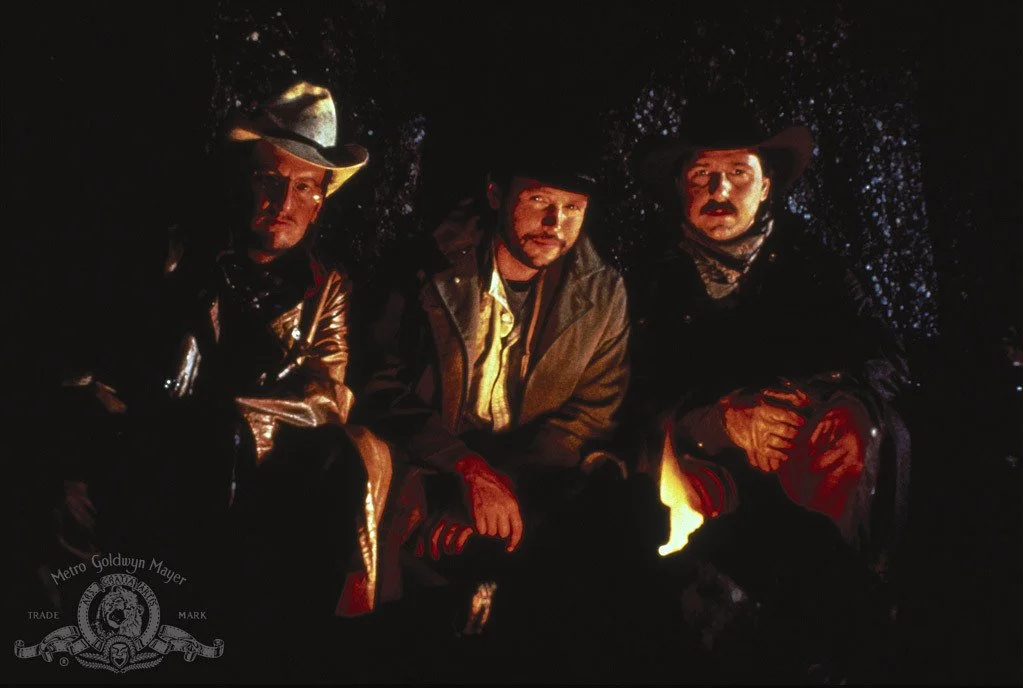
Who can forget the scene from the 1991 movie City Slickers, where the unsettled protagonist Mitch, played by Billy Crystal, sits at the campfire with the trail-hardened “Curley.” After observing Mitch for a moment, Curley simply tells him, “It’s just one thing.” And so begins the movie’s quest for that “one thing.” It’s a fun film—but also one that carries a deeper truth worth considering.
In my own quest to use all that I’ve been blessed with to help those in need, I’ve observed some remarkable progress taking place around the world. Over the past several decades, important initiatives have dramatically changed the conditions of many developing communities.
🏨 Medical Care — what has changed
Every day, tens of thousands of lives are saved in medical facilities that serve people who previously had few, if any, options. Cultures that historically feared hospitals—places once believed to be where you went to die—are slowly changing their view.
Thanks to generous supporters, courageous medical professionals, and dedicated program leaders, people are now leaving clinics and hospitals healed and healthy.
“Places once feared as a last stop are becoming places of hope.”
💧Water — a quiet revolution
Clean water, once the exception, is increasingly becoming the rule. Each year, thousands of new wells and filtration systems are installed for communities that have suffered for generations from waterborne illnesses. The impact—longer lives, better health, and stronger communities—is profound.
“What used to be rare is becoming normal.”
📚 Education — closing a widening gap
As knowledge in the developed world has accelerated, the education gap between the educated and uneducated has widened dramatically. Thankfully, generous donors, brave educators, and committed leaders have established schools and learning institutions for people who had little hope of catching up just 20 years ago.
The internet has further transformed access to information, connecting people across borders in ways never before possible. The growth in education has been nothing short of exponential.
“Access to knowledge is changing what’s possible.”
✝️ Spiritual Health — hope in hard places
Since the late 1800s, Western Christian missionaries have served in developing regions around the world. While some argue that missionary work—often intertwined with colonialism—has caused more harm than good, my personal experience has been different.
I have encountered expressions of Christianity in Africa that are unlike anything I’ve seen elsewhere—deeply hopeful, resilient, and life-giving in contexts of hardship. Today, roughly 80% of West Africans identify as Christian, Kenya is 85.5% Christian, compared to 69% in the United States.
“Faith isn’t abstract here — it’s survival.”
Health Progress
East Africa death rate: 28/1,000 in 1950 → 7/1,000 in 2025
Infant mortality: 104/1,000 in 1950 → 44/1,000 in 2023
Urban Reality
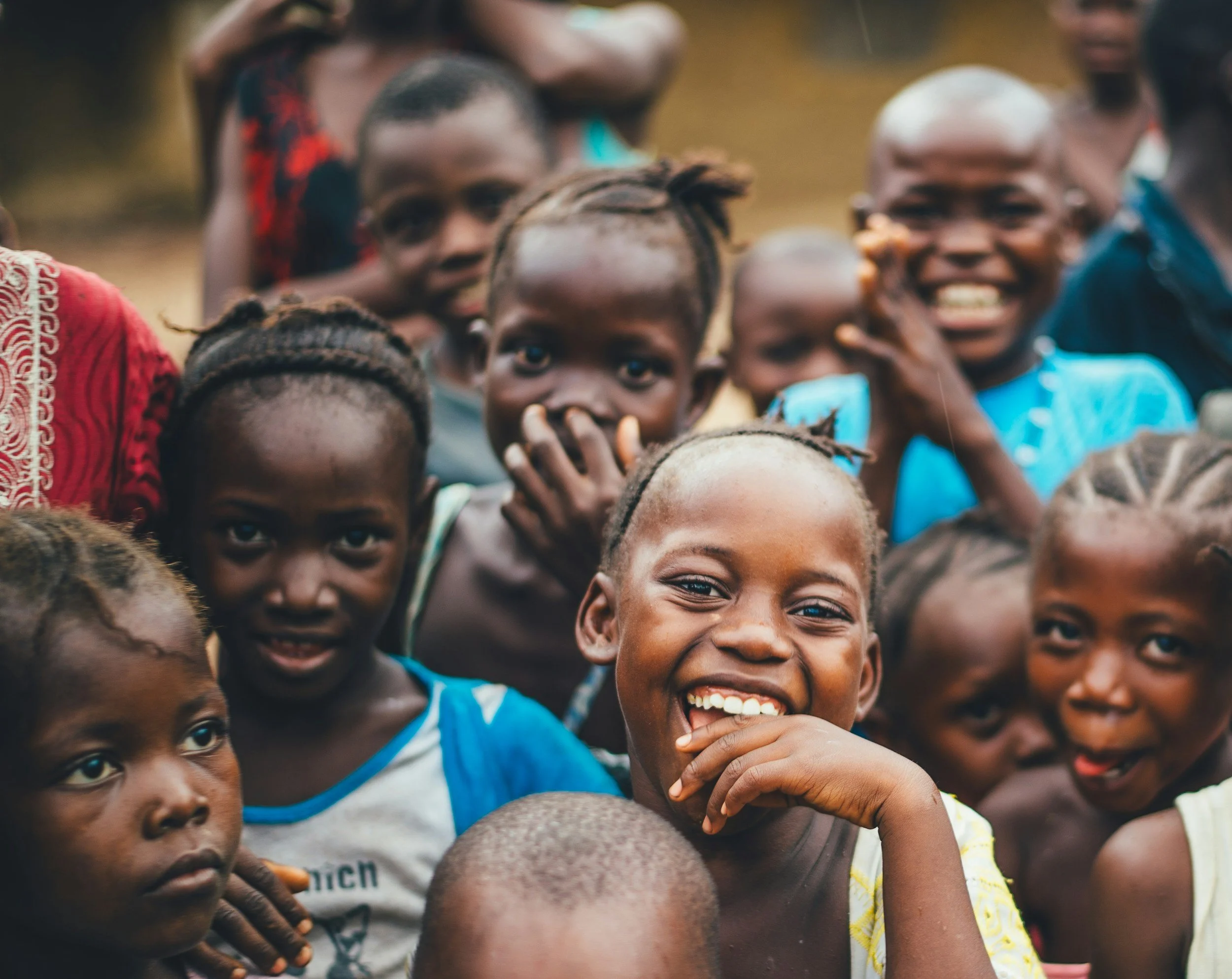
60% of Nairobi’s 5.7 million people live in slums
🧩 The Missing Piece: JOBS
All of this is good, encouraging, and necessary. Medical care, clean water, education, and spiritual life are interconnected pieces of a hopeful future.
Yet there is a missing element: jobs.
Consider a simple example:
Susan, a widow in Zambia, lives on her family’s acre and a half of land. For generations, that land has fed her family and provided modest income from what they could sell at market. But as health improves and infant mortality declines, Susan’s family grows—and so do her responsibilities. Without new ways to generate income, poverty deepens, and eventually some family members migrate to crowded urban slums in search of opportunity.
Like Curley’s elusive “one thing,” jobs are the missing—but critical—piece of the puzzle. It’s a classic chicken-and-egg problem: employment generates income, which fuels markets and businesses, which in turn create more jobs. But someone has to start the cycle.
For me, this is the “one thing”—the reason I keep looking for ways to help.
Where This Comes Alive
I get excited when my friend in Kenya, who trains slum residents to become skilled electricians, realizes his graduates are being exploited—and decides to start his own company. He is no longer just a teacher; he is now creating pathways to prosperity.
I get excited when my friend in Zambia sees families moving from rural areas into slums with no skills—and launches a program to train them and connect them to meaningful work.
I get excited when my friend in Rwanda grows his fish farm, hires more workers, feeds more people, supports a school, and supplies fingerlings to other farms—creating a ripple effect of opportunity.
Closing Reflection
In the end, progress in health, water, education, and faith is worth celebrating — but it reaches its fullest potential only when people can work, provide for their families, and build their own futures.
If there is one thing I hope you take from this, it’s that jobs aren’t just economics; they are dignity, stability, and hope. And that is why, for me, they remain the “one thing” worth pursuing.
Want to stay connected?
Share this story with a friend
Reach out with your thoughts—I’d love to hear them
💙
Interested in Getting Involved?
Want to donate? Use the donate button and let us know where you’d like your gift to go. We don’t need administrative support—100% of donations go to groups we know and have seen.
Want to join a future trip? Let’s talk.
Know a mission group or NGO we should meet?
We focus on small, founder-led groups in Africa. Once there are 3 or more groups to visit in a given country, we prioritize getting there.