Did You Say You Have a Plan?
Five countries. Three weeks. A plan for every day.
Almost none of them survived contact with Africa.
Unlike previous trips, very little of this one went the way we drew it up. And each time a plan fell apart, it seemed oddly okay. Looking back, the moments I could never have arranged turned out to be the point.
👥 Who Was With Me
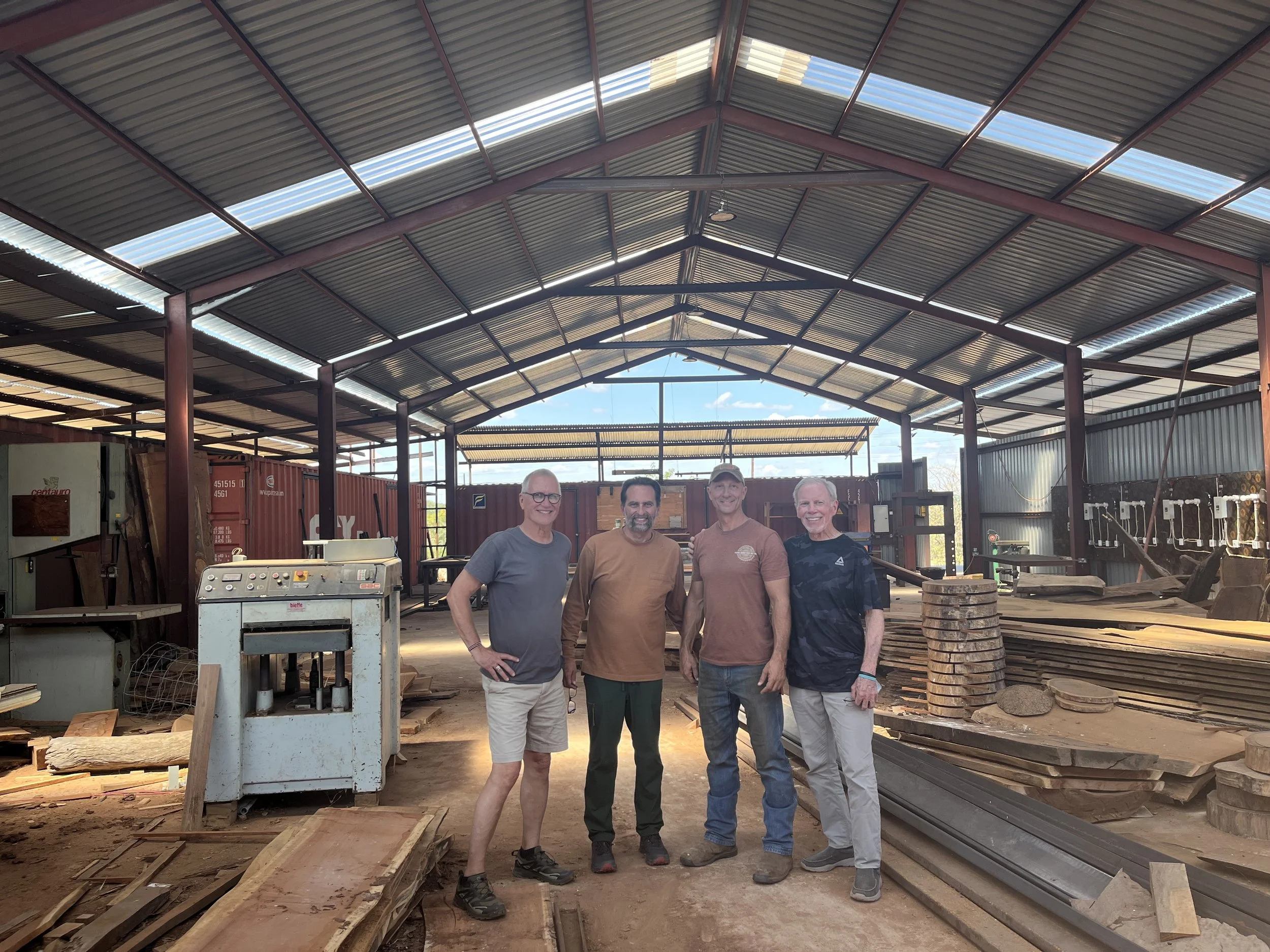
Jason Miller. From Colorado. Global Operations Manager for The Bucket Ministry, he lived in South Africa and is conversant in Swahili. Jason visits Africa several times a year and has been with me on each three-week trip for the past five years.
Tom Brasching. From Germany. An electrical engineer living in Nairobi, he recently started an electrical process and control company, which he uses to train people living in the slum so they can develop a skill and find long-term employment.
Kyle Gaiser. From California. A design engineer specializing in alternative methods of storing energy. He taught high school in Rwanda for two years and was with me on last year's trip.
Roger Shaw. From Kigali. Founder of Pioneer School and Lakeside Fish Farm, a British national who studied and worked in the US. Roger and his wife, Faith, are wonderful hosts, and over the four years I have known them, both the school and the business have grown.
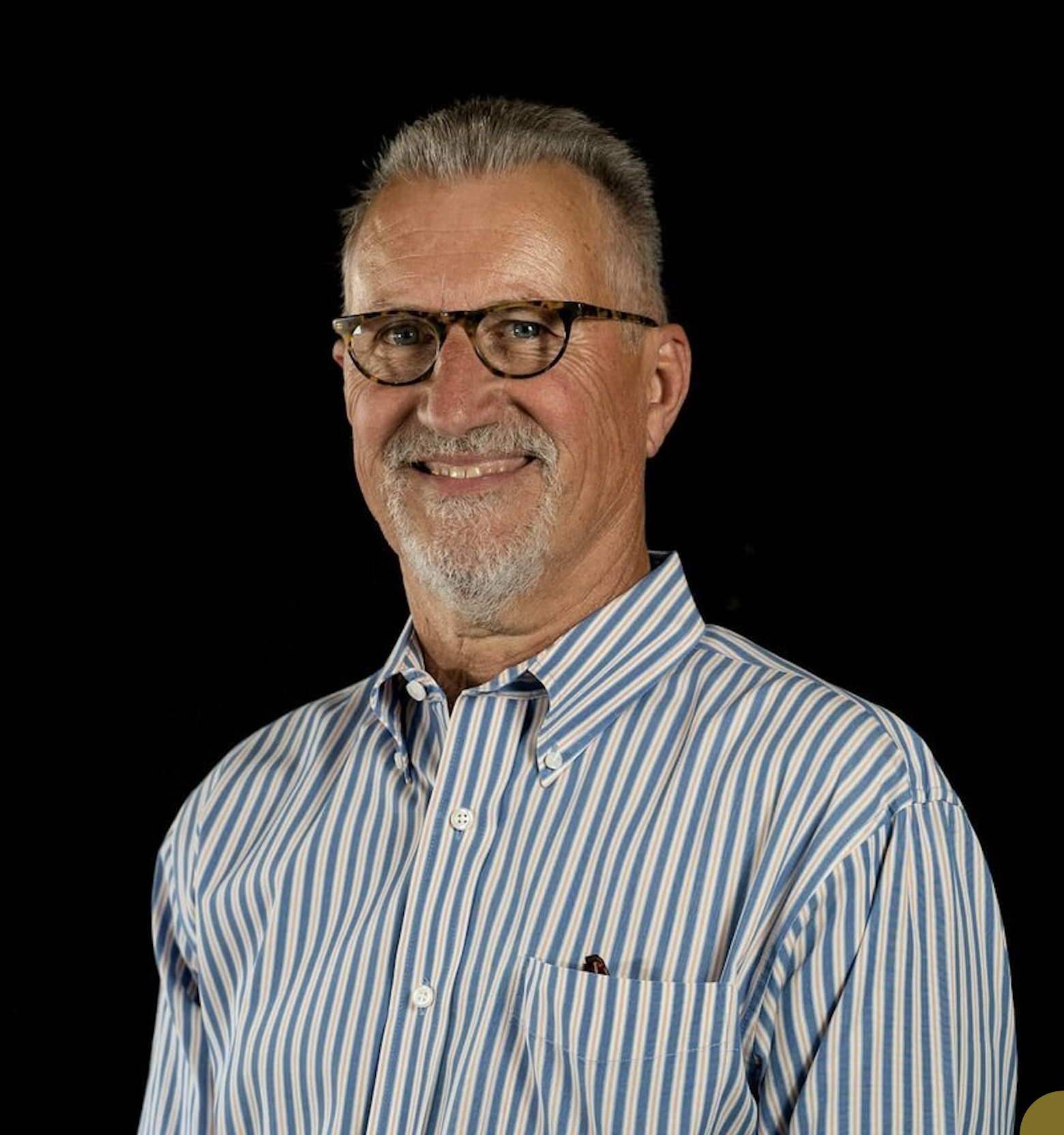
Phil Herndon (me). From California. A retired business owner who seeks out initiatives in Africa that can benefit and strengthen smaller mission and NGO groups.
🚨 A 4:30 in the Morning Knock
May 16 to 19 | Rwanda into Uganda
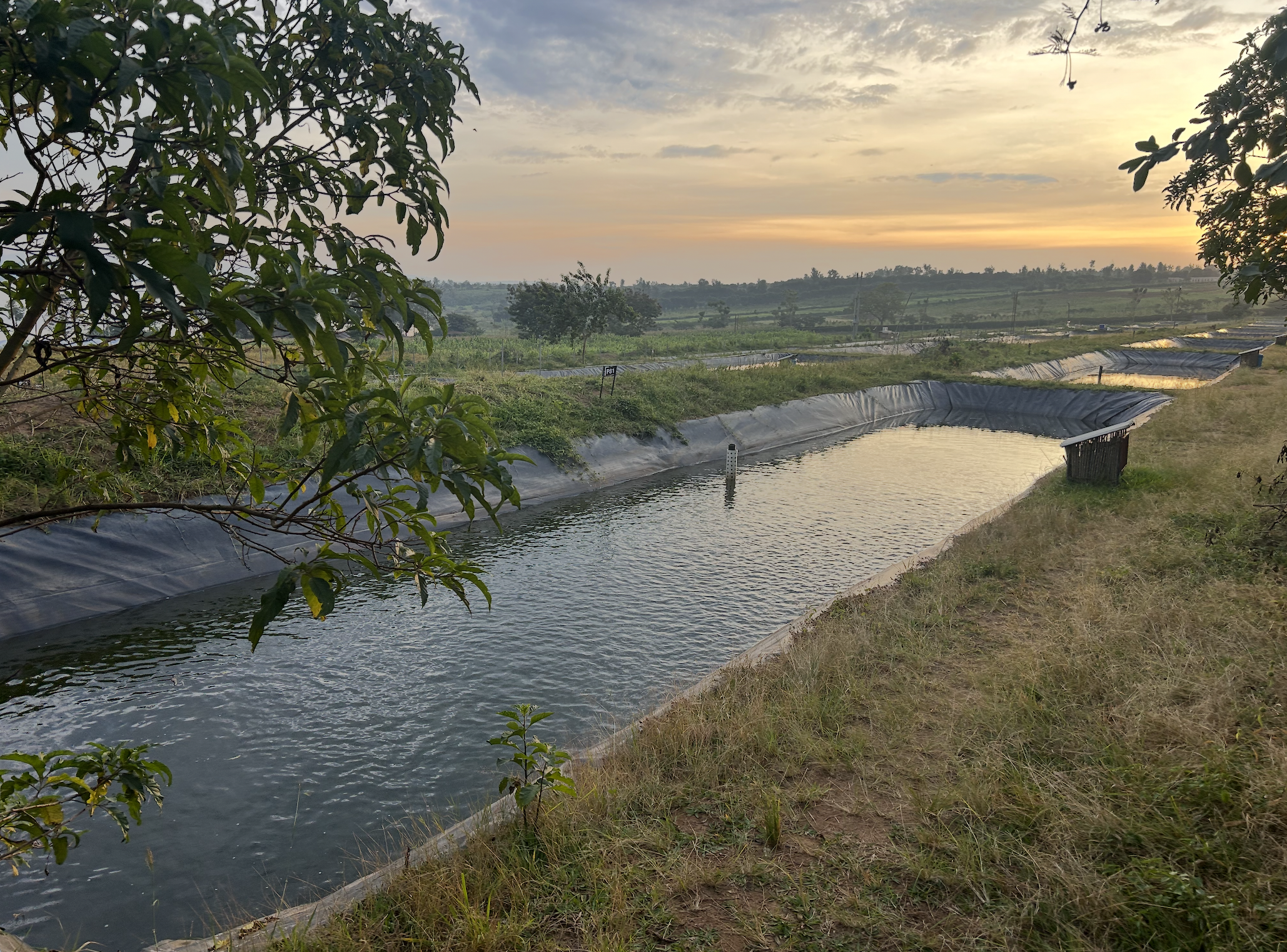
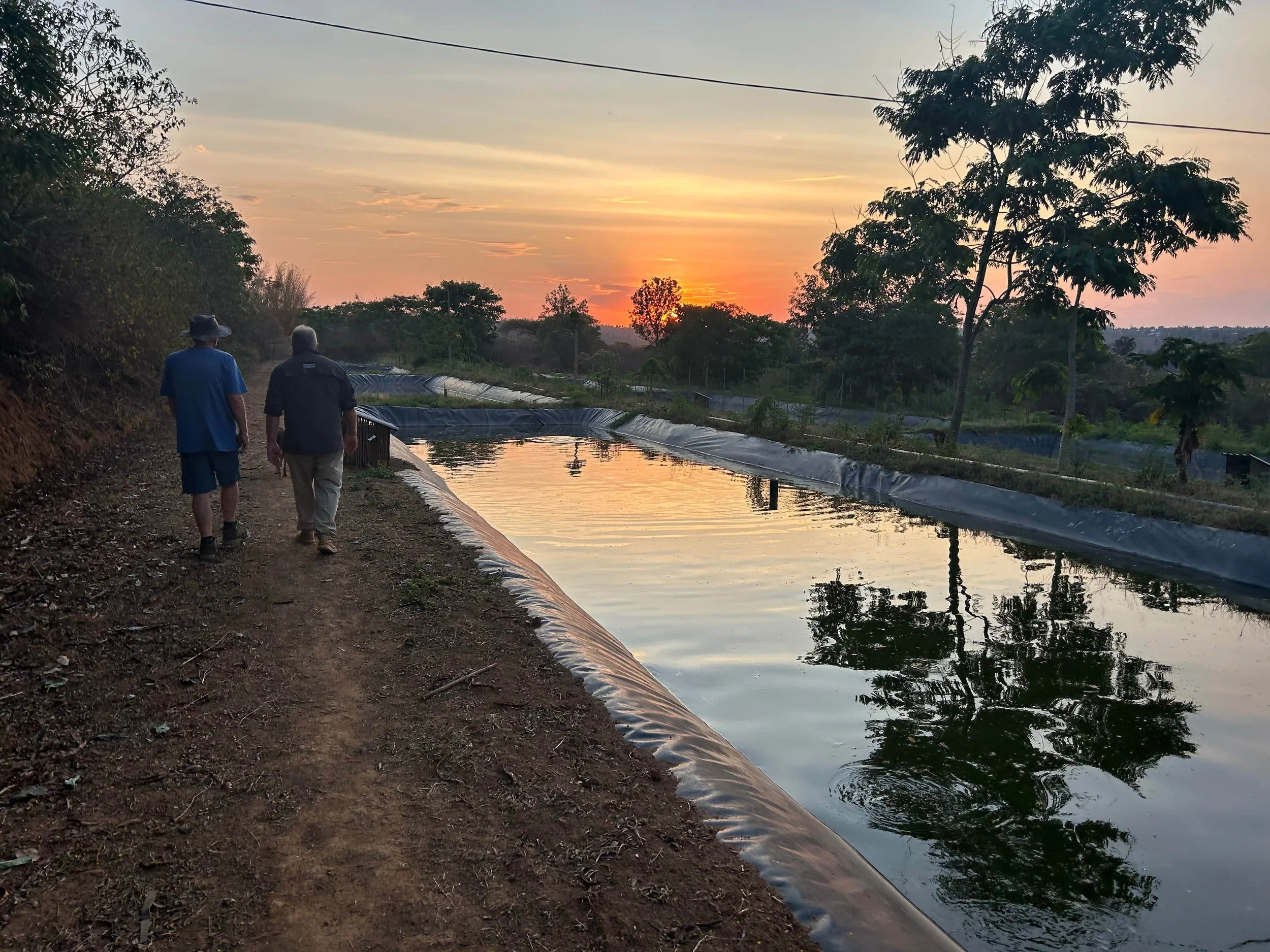
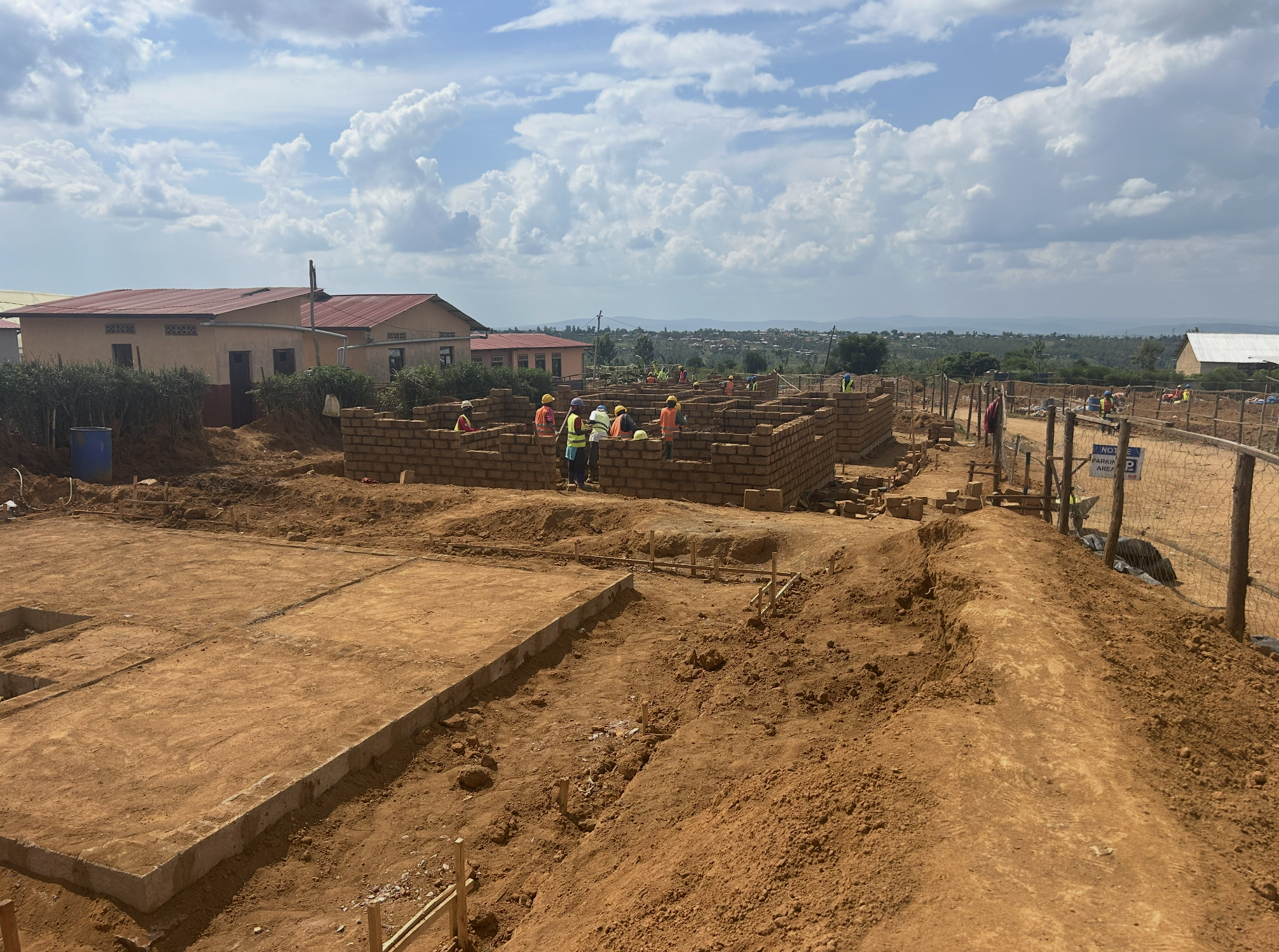
We began at our home away from home — Lakeside Fish Farm. It’s only about an hour and a half from Kigali. Six years ago this was a modest operation. Today it ships thousands of fingerlings to other farms, and the school Roger and Faith Shaw run has grown from 200 students to 500. The plan was for Roger to travel north with us through Uganda, as he had two years earlier. A last-minute conflict kept him home. That was the first plan to bend.
The next was mine. We were set to start at Hope Haven School in Kigali, but a chance came up to visit ACES, a group doing cooling-system research, so I called Hope Haven's founder, Susan Holleran, to say we would come another day. From there we drove three hours north, crossed into Uganda, and were met at SOVCA in Katuna by dancers, food, and speeches, a true African welcome. We slept well.
At about 4:30 in the morning, Jason pounded on my door. Ebola travel restrictions had just been put in place.
🔄 We Agreed Not to Worry About Anything but Getting Back
May 19 to 22 | Back into Rwanda
We took half an hour to pray. The facts were simple. We were 150 yards inside Uganda, our passports were stamped, the restriction excluded US citizens, our families were worried, and this school was only the first of eight groups we were meant to see on a seven-day drive north. We woke Tom and Kyle and turned around.
We agreed not to worry about anything except getting back to Kigali. And then, oddly, the trip opened up. Kyle had a group in the city working on building-material alternatives. Tom, who had joined us in Nairobi and never seen Lakeside, finally got the tour. He is an electrical engineer, and over dinner we agreed he would come back to run an energy audit for the fish farm, which still runs everything on costly public power.
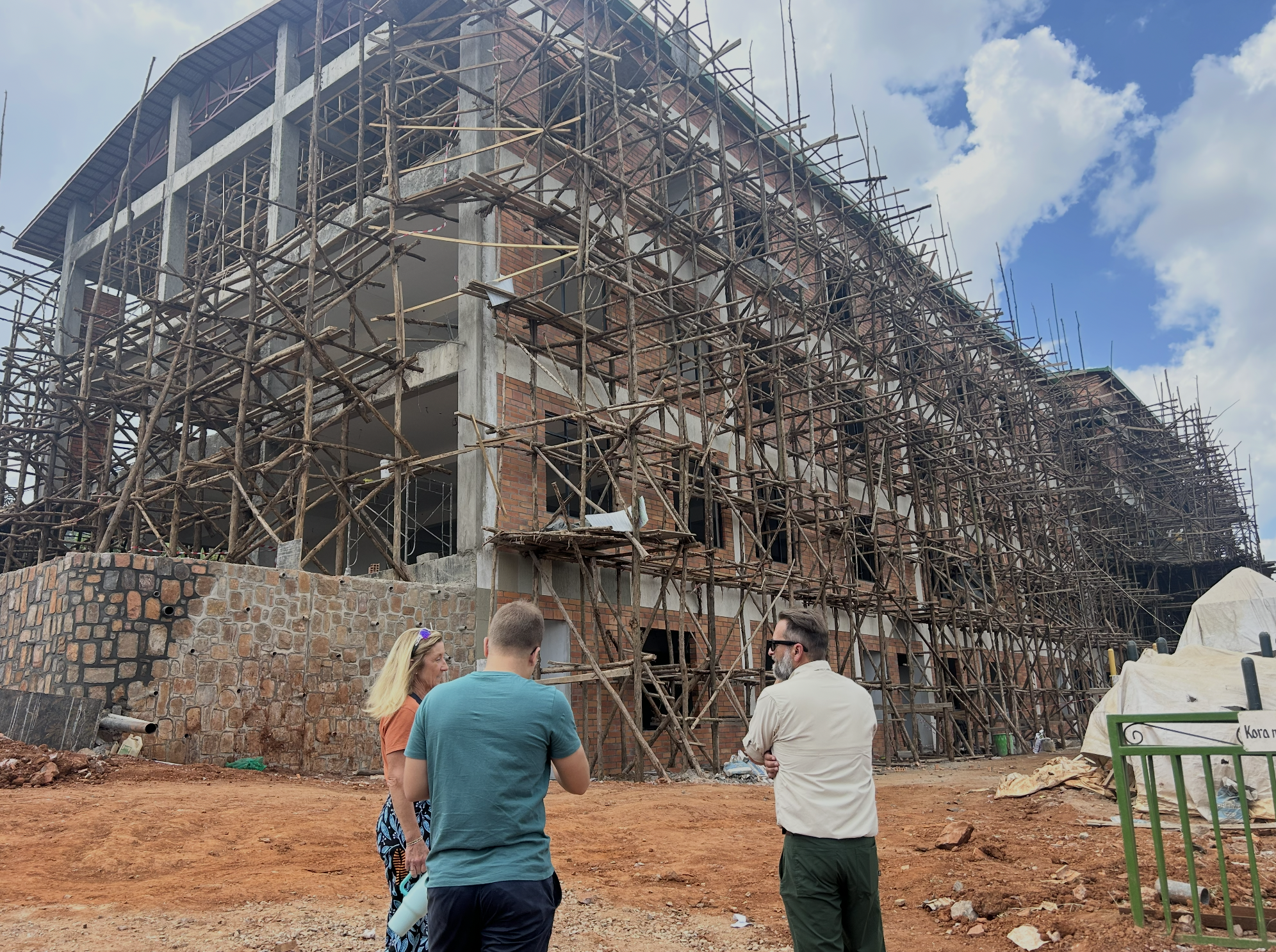
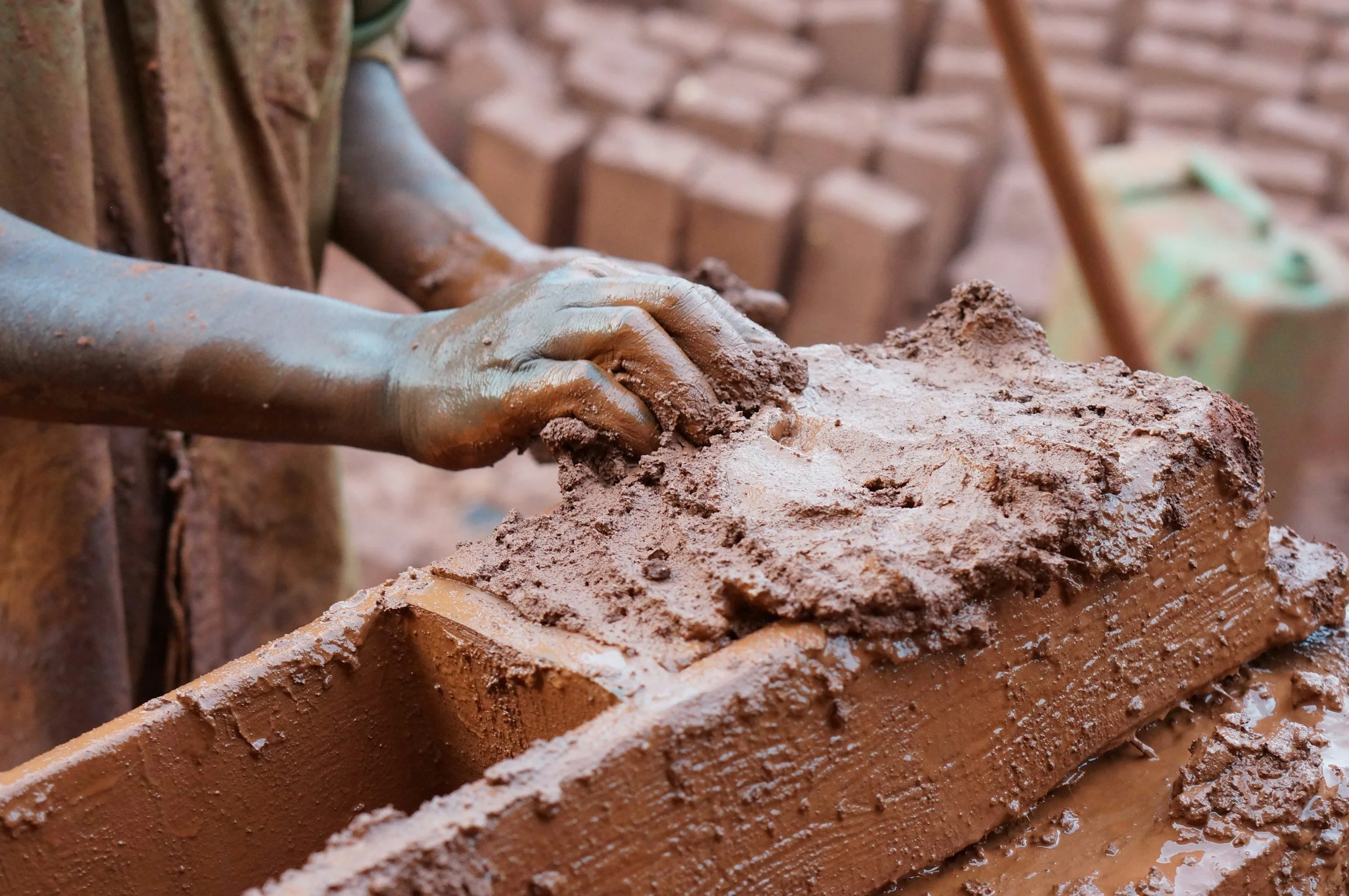
What we found in the days that followed we would never have scheduled. At RICA, the Rwanda Institute for Conservation Agriculture founded by Howard Buffett, our guide was a Zambian named Falicitas who leads the swine and poultry department. Remember her. On the way back we stopped at a rural subdivision of 41 homes built entirely from an Earth Enable material that looks like concrete but is made of soil, fiber, and cassava, cheaper and healthier than the real thing. And we finally reached Hope Haven, where founder Susan showed us the half-finished building that will carry her graduates through college, and the farm that feeds her 2,000 students. None of it was on the itinerary. All of it was worth the trip.
🏙️ The Work in Nairobi
May 23 to 27 | Kenya
We flew to Nairobi a day ahead of plan and, for once, rested. On Sunday we visited Tom's church, four services and well over a thousand people, then had lunch with two of his friends. Curt Laird is building a chain of real pharmacies through reFrontier, in a country where an estimated 30 to 40 percent of medications are counterfeit. Werner Neufeld trains Christian schoolteachers through ACSI Kenya, where most teachers begin with only a two-year diploma.
The rest of the week belonged to Kua Ventures. I visited Savannah Space, one of their partners, still hunting a buyer for a large stock of African wood sitting in my friend Kenny Vines's shop in Zambia. I sat in on their quarterly partner meeting, where I earned a little notoriety by suggesting my breakout group simply burn down a competitor 😄. And I spent two days with their investors and board on the genuinely hard question of how an outsider invests well across cultures. No one pretended it was solved.
🏥 Twenty-Four Hours in Malawi
May 28 to 29 | Blantyre and Zomba
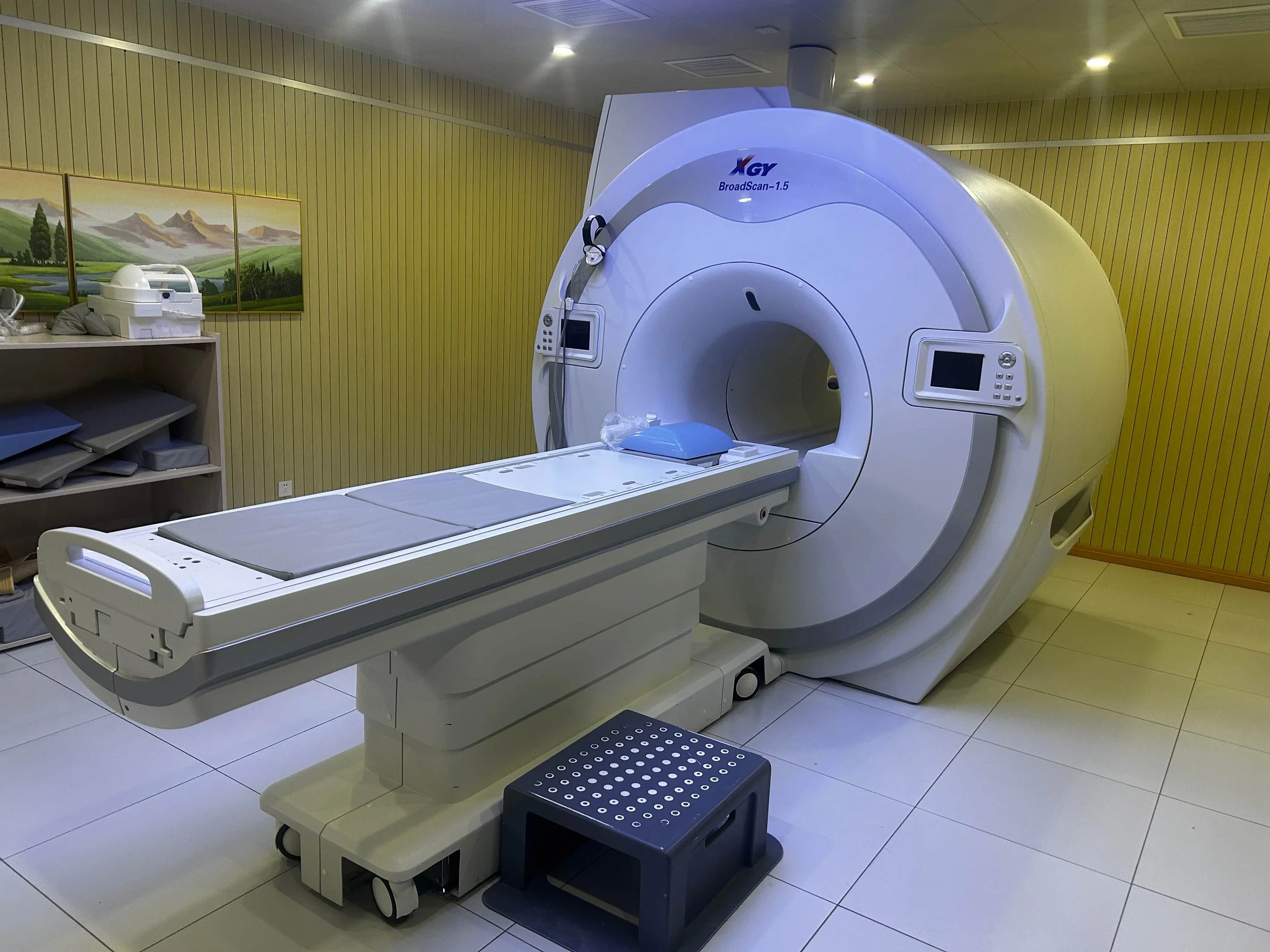
Then south to Malawi, alone, for the piece of this trip that mattered most on paper. For months I had been working with a US donor willing to give a used but fully working MRI machine, if we could prove the receiving hospitals could operate and maintain it. That was my job.
I landed to news that the Ministry of Health had just written to decline the donation. We drove north to Zomba Central Hospital anyway, and there learned that a Siemens MRI was already on its way to them. The very thing we came to provide was no longer needed, and somehow the objective was still met.
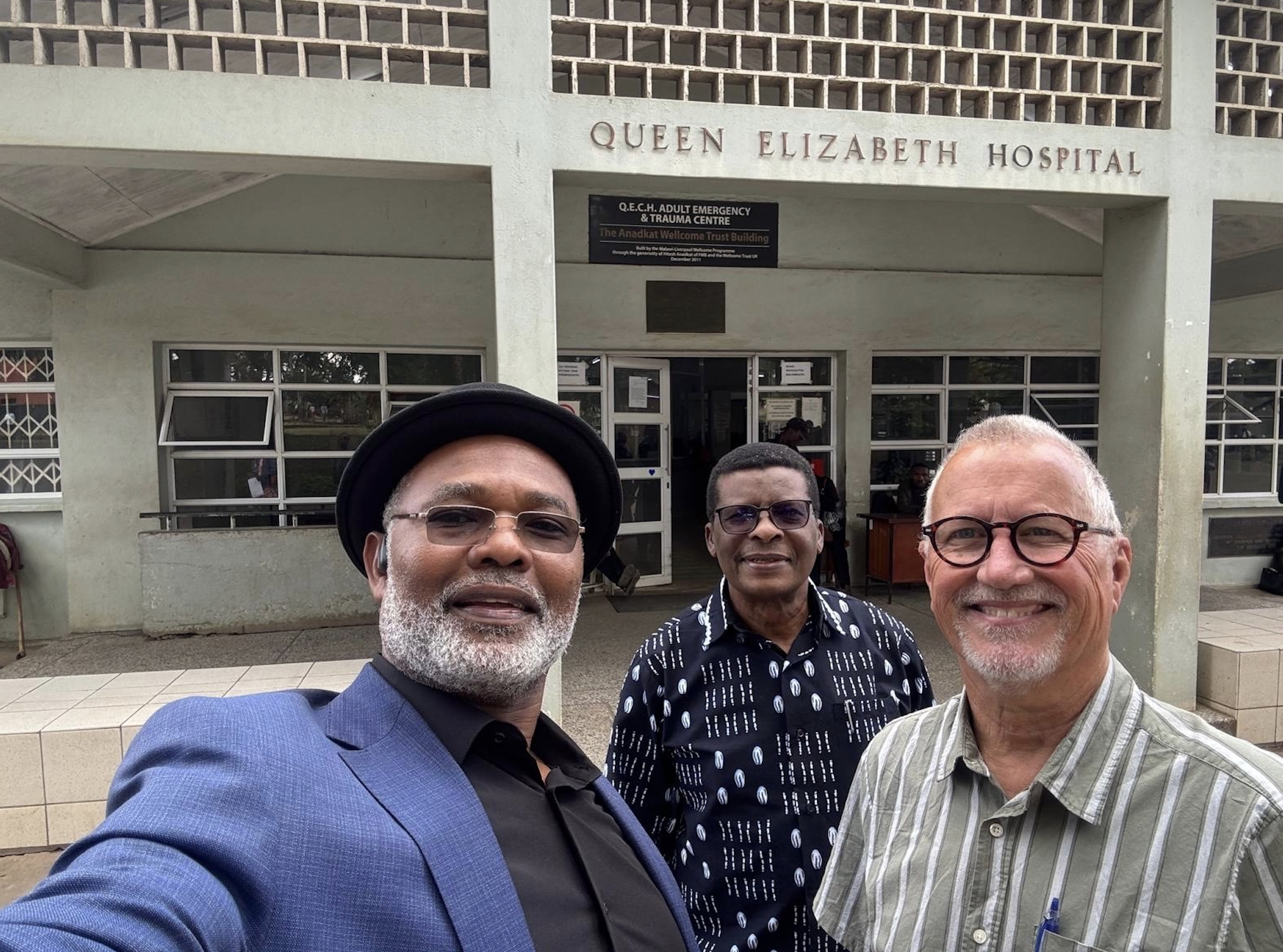
So we turned to what these hospitals actually lack. Queen Elizabeth Central has 1,350 beds, and its pediatrics ward alone admits 23,000 children a year.
The list we heard was sobering:
Backup generators that cannot be relied on.
Only one of four X-ray machines working.
Thirteen surgical theaters that go dark when public power drops.
Consumable supplies in constant shortage.
No urologist on site.
Endoscopy and ultrasound equipment needing repair or replacement.
We agreed on a first step: survey the electrical system at each hospital. I called Tom, who is now planning an energy study to design reliable power from a mix of grid, solar, batteries, and generators, so that a surgeon is never again left standing in the dark. The second step is a maintenance program and trained local technicians. In just over 24 hours on the ground, we had a plan. Quite simply, this is what my visits are for.
⚡ Tom's Story
June 1 | Nairobi
Back in Nairobi I sat down with Tom Brasching, whose story is worth telling on its own. I met him last year through Peter Fry, then running Kua Ventures, and wrote about him in a journal entry called Should I Be Here?, after he was nearly killed by the very people he had come to serve. It only deepened his resolve.
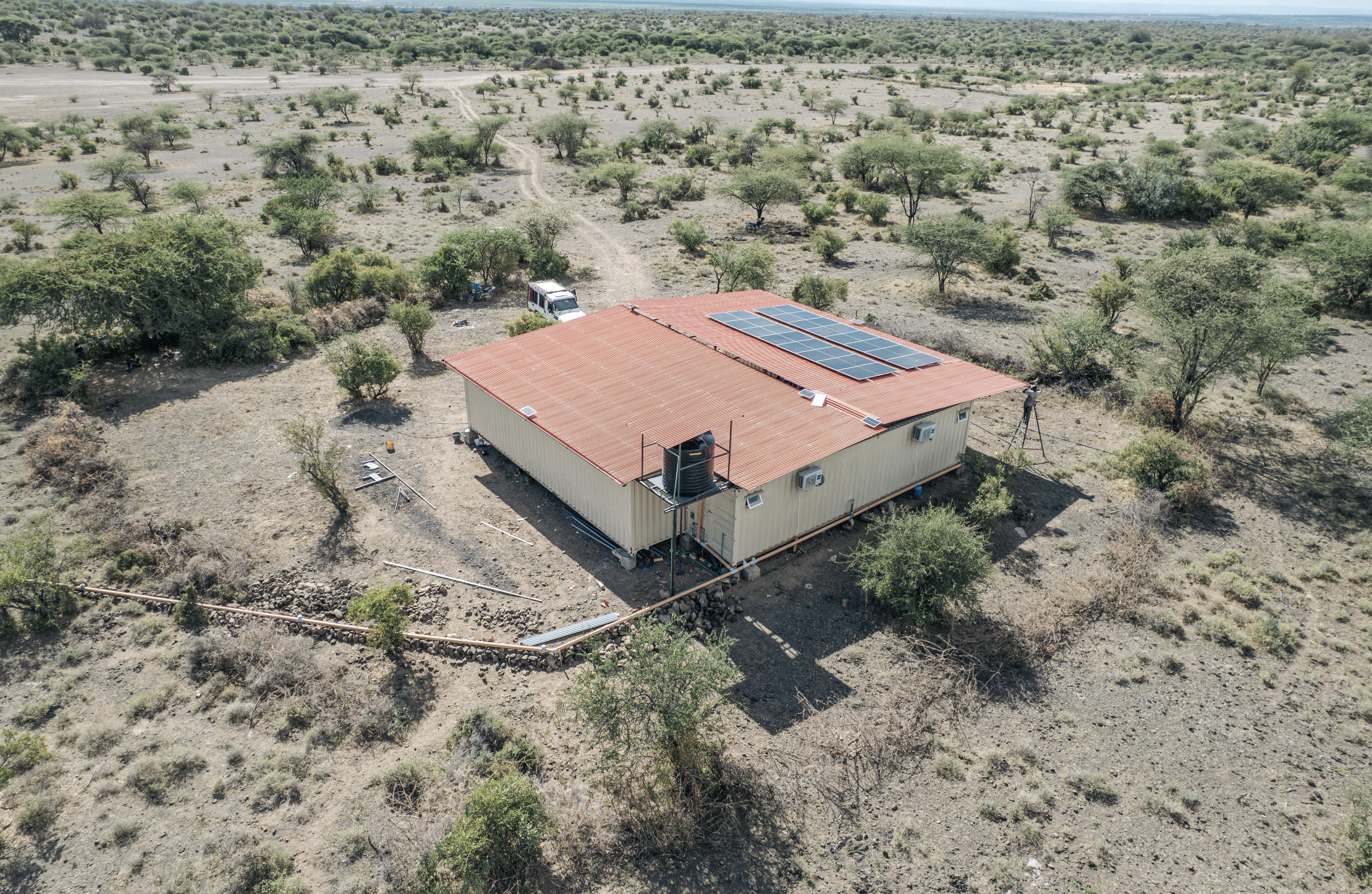
He was teaching young men from the slum to install solar systems, then helping them find work.
I hired Kua to study his business. Their review runs like a three-credit college course, and it found something Tom had not seen: his own training was too valuable to give away on simple solar jobs. He should expand into electrical control systems and turn his students into employees rather than sending them off to be underpaid elsewhere. Eight months later, he has not looked back.
While I was in Nairobi, he and Jason finished an off-grid compound in southern Kenya with its own water and power, delivering clean water to the Maasai nearby.
Jason, of course, added an airstrip, turning a six-hour drive into a 45-minute flight.
🐷 On My Own in Ghana
June 4 to 5 | Accra and Ho
Then west, across Africa to Ghana, my first time in the region and my first stretch traveling solo. I made my fourth visit to a Bucket Ministry site, where the team hands out five-gallon filtered buckets and shares who Jesus is, in northern areas where clean water is scarce and a family often lives on a few dollars a day.
And then there was the pig farm. For five years I have known Brigitte, a Ghanaian living in the US, whose sister Ami, a linguistics professor, drove me three hours to the family's land near Ho.
The plan had been to raise 300 pigs and sell to restaurants and hotels in Accra. Then feed prices doubled.
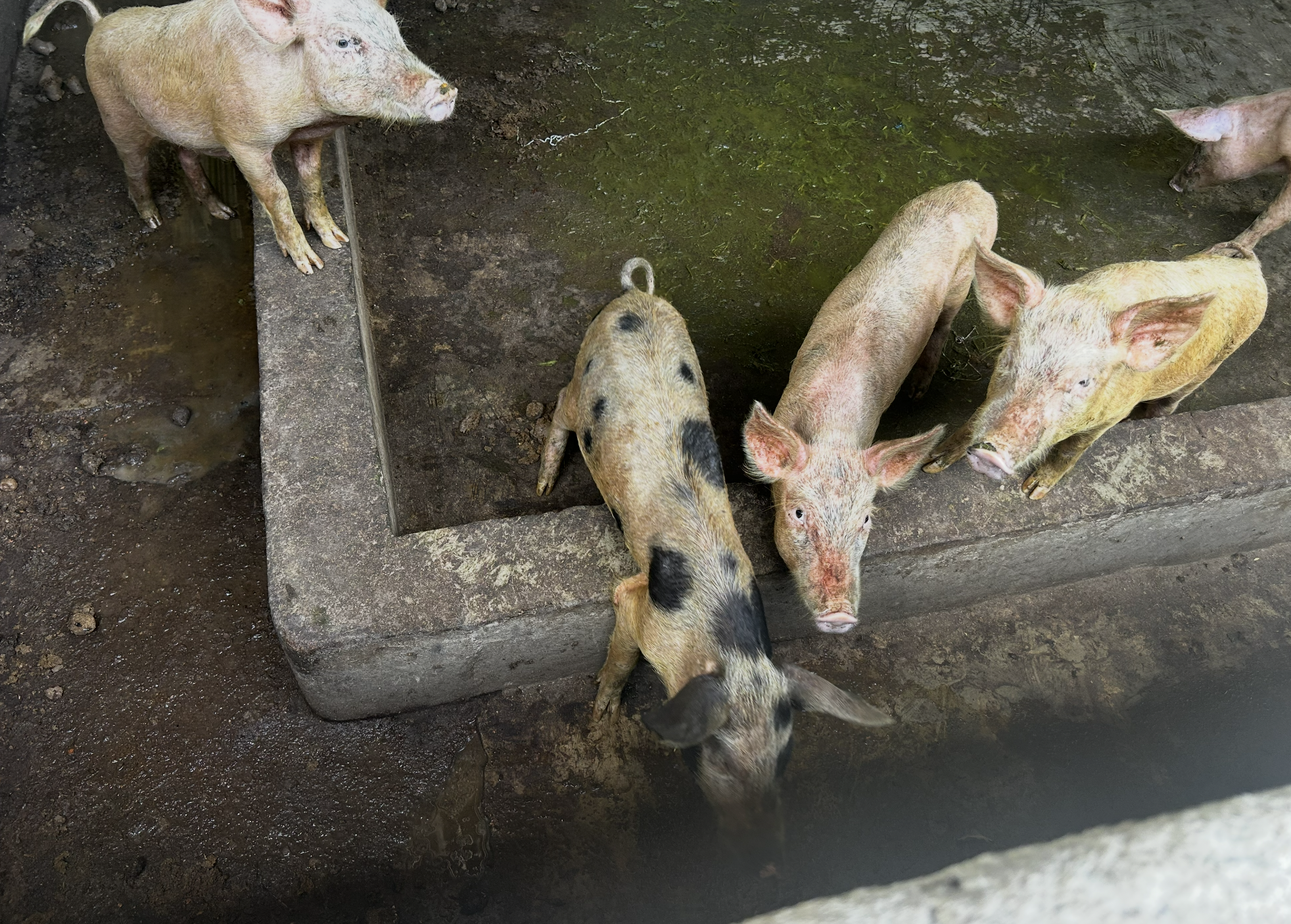
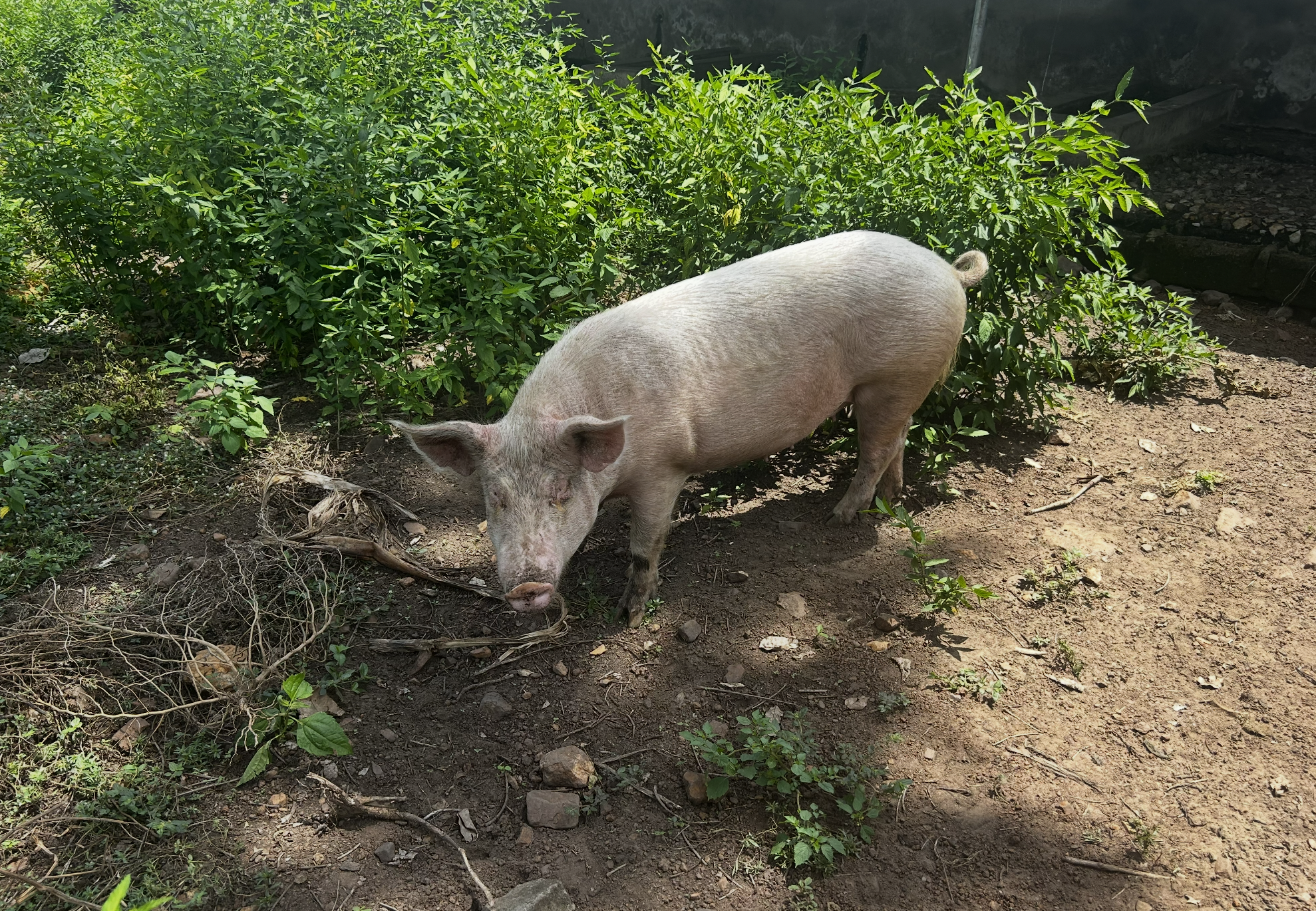
On the day I visited there were 32 pigs and two lonely goats. I know nothing about pigs, but simple economics is a good place to start: what does a piglet cost, what does it eat, and how soon can you sell it? The problem, clearly, was feed, and the options run from growing their own to leaving pigs behind altogether.
Here is where the trip closed a loop I never could have drawn. Weeks earlier at RICA in Rwanda, our guide Falicitas had turned out to hold a PhD in swine. I have since put her in touch with the family in Ghana. She may end up being the answer to a problem I stumbled into on the far side of the continent.
⛪ The Church We Keep Forgetting
June 6 to 8 | Gomoa and Accra
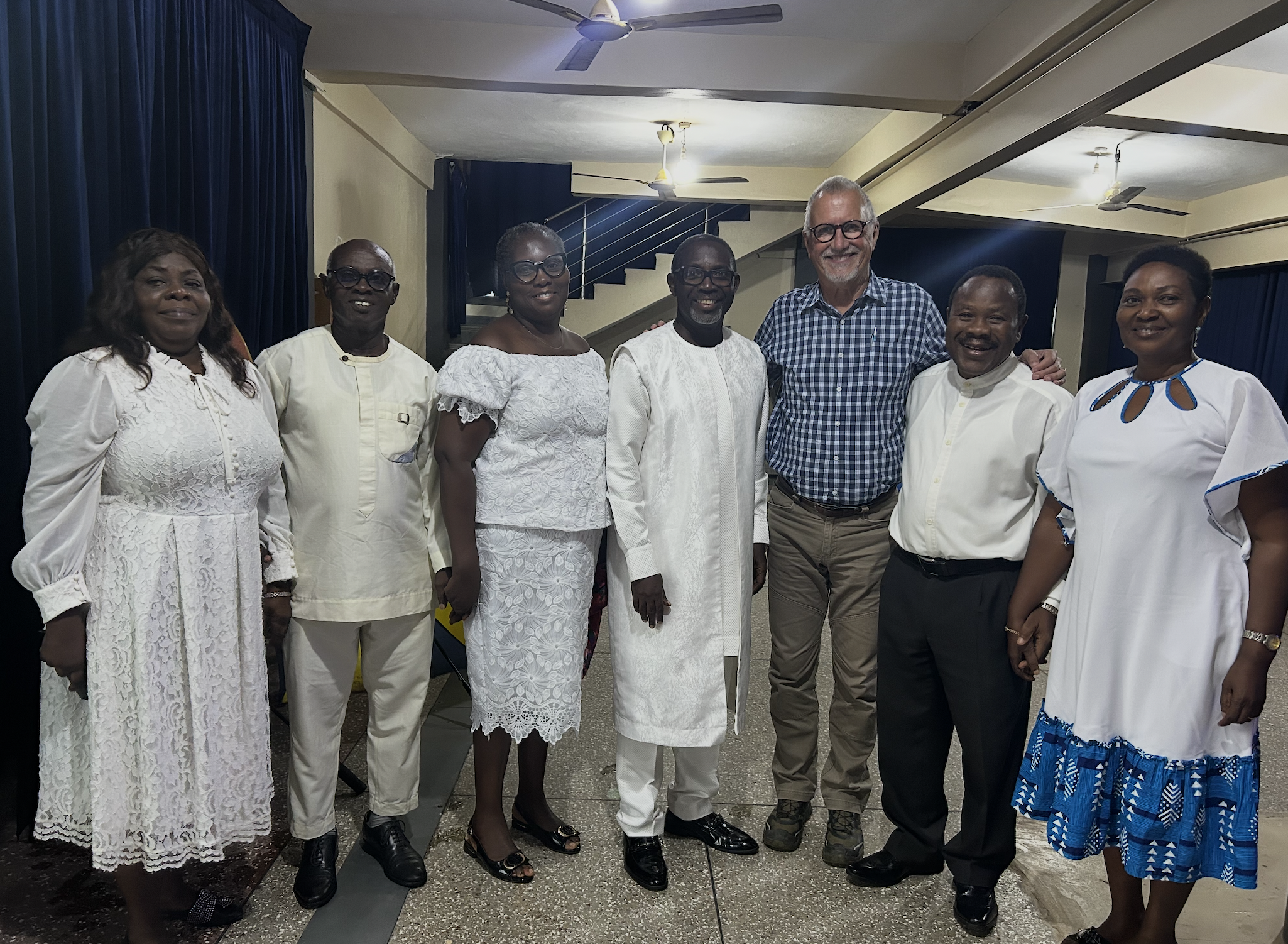
My last stop was Changing Lives Together, near Gomoa, where a first building is rising toward what will one day be a full hospital and clinic. In nearly ten years and more than 50 organizations, this one surprised me. It was founded by an American, yet it is deeply rooted in the local church, which is rarer than it should be and, to me, the whole point. Those of us who come to help so often forget to include the people already there.
I ended the trip the way the best days of it had gone: unplanned. Lunch on Ami's patio, with the very pig we had visited as the guest of honor.
🗺️ Did I Have a Plan?
I always do. But almost none of this trip followed it, and the parts I will carry with me are the ones I could never have arranged. Borders close. Machines get declined. Farms run short of feed. And somehow the work still finds its way, often through a door you did not know was there.
I love Africa. I will keep making plans.
I have just stopped expecting to keep them.
Want to stay connected?
Share this story with a friend
Reach out with your thoughts—I’d love to hear them
💙
Interested in Getting Involved?
Want to donate? Use the donate button and let us know where you’d like your gift to go. We don’t need administrative support—100% of donations go to groups we know and have seen.
Want to join a future trip? Let’s talk.
Know a mission group or NGO we should meet?
We focus on small, founder-led groups in Africa. Once there are 3 or more groups to visit in a given country, we prioritize getting there.