Why People Still Die of Starvation, and What Actually Works
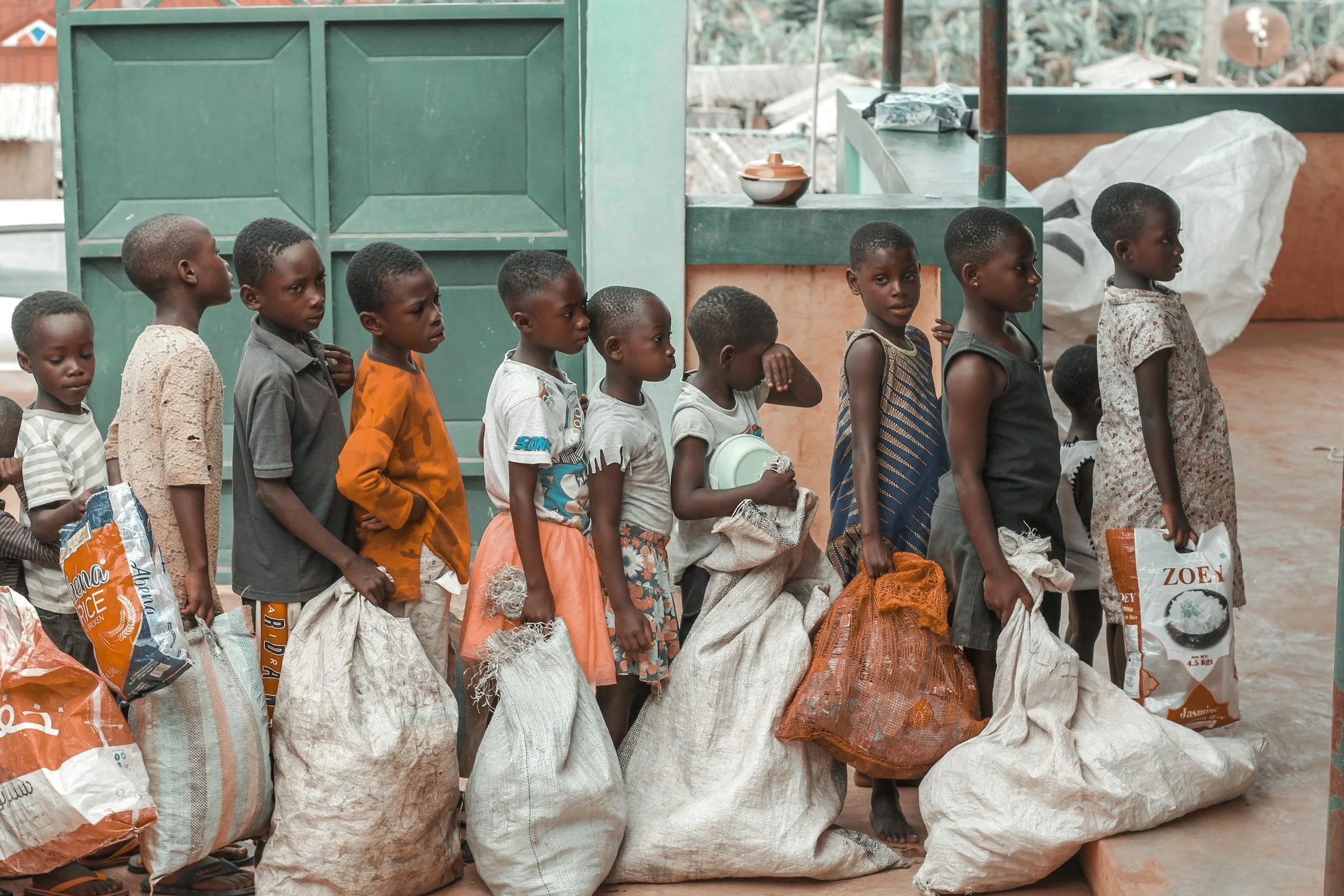
Sadly 1000 people died of starvation while I made this journal entry! Around the world, 24,000 to 25,000 people die each day of starvation.
Why are brutal statistics like this buried under what movie stars like, or what one politician said about another?
Mankind has been growing the food we eat since the beginning of time. There is not some cosmic feeding machine dropping food into our cage! Starvation has been with us throughout history. But in this day, when I can touch a button and share this discussion with hundreds of people, why can't we get food into hungry people's mouths?
Why?
🌽 Corn
When a single low-quality food becomes a staple, there are consequences. About 150 years ago, corn was introduced into Sub-Saharan Africa, an unintended product of colonization. The seasonal rains and arable land made this an easy way to feed people who, in subjugation, were no longer hunters and gatherers.
The colonists claimed land, and the tribal and nomadic lives of many Africans shifted to simple subsistence farming for survival. Dried and ground corn, called maize, can be stored and provide food until the next growing cycle produces a new crop. In the West we would be bored. In Africa they love it!
Today, farmers and nutritionists from the West are in shock. How can people survive on only corn? Well, they do. And then these well-intentioned visitors attempt to introduce better foods like spinach. No one will eat it!
🍅 Spoilage
The next contributing factor is spoilage. As you would expect, people selling produce set up stands along the roads. It's always curious to see 8 women, each with their own displayed tomatoes, all side by side. If you stop to shop, which seller's table do you go to? You realize it's more social than economic, and seldom do you even see buyers at these stands. The tomatoes rot in the African sun.
That is at the micro level. Even for those seeking to grow food commercially, there is no rural cold storage and scarcely any refrigerated transportation. Simply put, as much as 75% of what is harvested in developing nations is lost to spoilage.
🌦️ Nature
Simply, there is little to no fallback plan in the event of drought or pests. Agriculture is risky business! A dry rainy season or a swarm of locusts can decimate a vital food supply. I remember walking into an empty multi-acre greenhouse in Kenya. A shipment of seed from Brazil, on a wood pallet, had introduced a pest that ate all the string beans, and they were waiting a year before resuming operation.
When crops fail, we see trucks with loads of food headed into areas of need. Still, there is starvation and death for the marginalized portion of the population. The remote rural areas suffer.
What can be done?
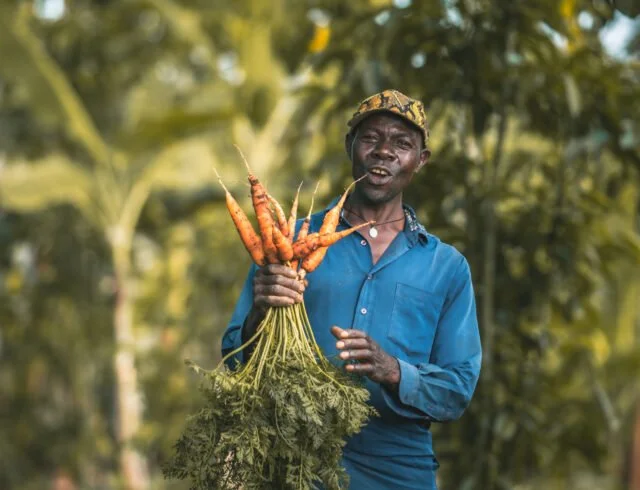
This is not a flip-the-switch problem, where the invention of some miracle supplement solves everything. The solution is found in small enterprises and initiatives that begin to shift the larger societal norms toward positive outcomes. Some examples:

Frozen Isle
Frozen Isle, in Nairobi, Kenya, is an example of what is being done to balance diets and shift the food culture. This company contracts with 400 small growers, all within 100 miles of their processing facility, to grow produce that is processed and sold in Kenya. It's an exciting company that owns a refrigerated truck, collecting produce from growers who cannot deliver to their facility. Frozen Isle staff prepares, cooks, freezes, and distributes to grocery stores across the country. Florence, the owner, is a dynamo and stands as an inspiration in how to feed people! Check out her video in the link above.

And my friends Roger & Faith Shaw in Rwanda own Lakeside Fish Farm.
Their 15-year-old fish farm produces thousands of pounds of fish each month, providing a healthy protein for those who otherwise would be eating only maize. East Africa is blessed with lakes (as many as Wisconsin?), so fish farming is a viable way to help feed people. Additionally, Faith and Roger sell thousands of fingerlings to fish farms in Rwanda and the surrounding countries, providing for others who are part of this growing source of healthy food.
Rooted Wisdom, in Uganda,
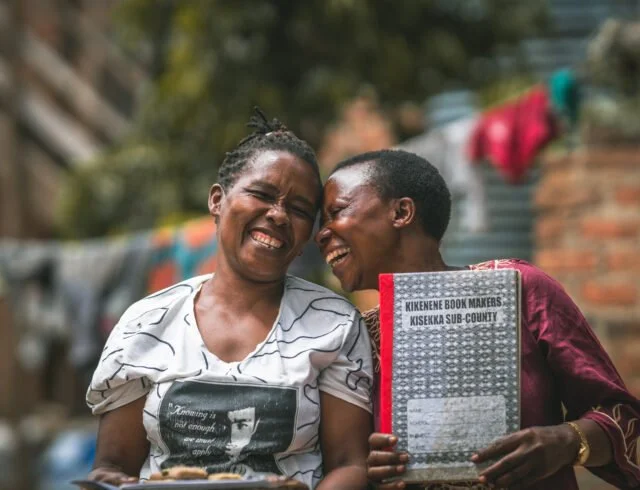
- is led by a friend in Colorado, Kristy Hitchings. This group operates a few hours west of Kampala, the capital of Uganda. Kristy's staff works hard to provide for and support the rural population in developing skills and abilities to do so much more than just survive. I was introduced to Kristy maybe 8 years ago by her uncle, who was helping my business. She is an amazing example of someone who witnessed a need and saw it as an opportunity to serve. Her tireless efforts (and her Ugandan staff) are changing lives and setting families on a course for good health and a meaningful life.
These 3 examples all come from my firsthand knowledge and experience.
Said another way, this is the tip of the iceberg of change that will make good things happen in our lifetime. It's exciting to be part of it. If you are like me and tend to support the low-overhead, direct workers with high impact, then seek out groups like Rooted Wisdom, and encourage businesses that prioritize meeting societal needs over profit. Focused diligence will turn this tide.
The Biblical doctrine of work: the gracious expression of creative energy in the service of others. — Dorothy Sayers, theologian
Footnote: I have recently returned from my annual 3 weeks in Africa and have way too much to share! I need some time to collect and organize. If you are reading this, know that I always want to be succinct, clear, and have a reasoned train of thought! I appreciate all of you!
Want to stay connected?
Share this story with a friend
Reach out with your thoughts—I’d love to hear them
💙
Interested in Getting Involved?
Want to donate? Use the donate button and let us know where you’d like your gift to go. We don’t need administrative support—100% of donations go to groups we know and have seen.
Want to join a future trip? Let’s talk.
Know a mission group or NGO we should meet?
We focus on small, founder-led groups in Africa. Once there are 3 or more groups to visit in a given country, we prioritize getting there.